
Septic System Installation in Fayette and Coweta County, GA
Whether you’re building a new home or replacing an aging septic tank, understanding how septic system installation works can save you time, money, and frustration. Septic systems are essential wastewater treatment solutions for properties that aren’t connected to a municipal sewer line. The right system, properly installed, can last decades and keep your home running efficiently.
Let's walk through how septic systems work, the types available, their costs, and why hiring a professional is the safest route for long-term reliability.
What Is a Septic System and How Does It Work?
A septic system is an underground wastewater treatment structure that uses a combination of natural processes and proven technology to treat household wastewater.
Water from toilets, sinks, and washing machines flows into a buried septic tank, where solids settle to the bottom and lighter materials, such as grease, float to the top. The remaining liquid (effluent) flows through an outlet into a drainfield, where it naturally filters through the soil and is safely absorbed.
Key Components
-
Septic Tank – Separates and partially treats wastewater.
-
Drainfield (Leach Field) – Series of perforated pipes or chambers that disperse treated water into the soil.
-
Distribution Box / Pump Chamber – Directs flow evenly across the field.
-
Soil Treatment Zone – Final filtration layer that removes contaminants naturally.
A well-installed system functions like a miniature treatment plant in your backyard — quietly and efficiently protecting your property and groundwater.
Types of Septic Systems
Choosing the right system for your property depends on various factors, including soil conditions, groundwater levels, lot size, and local regulations. Here are the most common options:
Conventional (Gravel or Stone) System
The classic design features a septic tank connected to a series of gravel-lined trenches. Reliable and cost-effective, but requires good soil drainage and ample space.
Chamber (Gravelless) System
Uses plastic chambers instead of gravel — ideal for properties with limited access to gravel or variable water tables.
Infiltrator EZflow (Gravel-less) System
A modern alternative to traditional gravel drain fields, EZflow systems use lightweight, modular bundles of perforated pipe surrounded by synthetic aggregate. Ideal for both residential and commercial sites where clean, efficient installation and reduced heavy equipment use are desired.
Mound System
Constructed above ground using layers of sand and soil. Ideal for sites with shallow bedrock, high groundwater levels, or poor soil absorption.
Aerobic Treatment Unit (ATU)
Injects oxygen into the tank to promote the growth of aerobic bacteria, providing higher-quality treatment — often required near lakes or streams.
Drip Distribution or Low-Pressure Systems
Delivers wastewater slowly and evenly through tubing buried just below the surface, suitable for uneven or restricted sites.

Serving Fayette and Coweta County
Our septic system installation services are available throughout Fayette County and Coweta County, proudly serving homeowners and businesses across some of the most vibrant and fastest-growing communities in Georgia. Whether you’re building a new home, upgrading an existing system, or expanding a commercial property, we bring decades of installation experience and local soil expertise directly to your property.
Fayetteville, GA
As the historic heart of Fayette County, Fayetteville blends classic Southern neighborhoods with modern developments. Our team provides septic system installation for both new construction homes and existing properties that require replacement. We understand Fayetteville’s unique clay soil and drainage conditions, ensuring each system is properly engineered for long-term performance and compliance with county regulations.
Senoia, GA
Known for its small-town charm and creative energy, Senoia continues to grow with the addition of new subdivisions and custom homes. We specialize in new septic system installations for residential builds and renovations, as well as system upgrades for older properties. Our technicians design and install efficient, code-compliant systems that protect your investment and your property value.
Peachtree City, GA
Peachtree City’s golf cart paths and planned communities require careful planning for underground infrastructure. We provide professional septic system installation for homes and commercial spaces, integrating tank placement and drainfield design into your property layout. Whether you’re constructing a new home or replacing an outdated system, our installations are designed for reliability and minimal environmental impact.
Tyrone, GA
This close-knit community values responsive, trustworthy service. Our installers have decades of experience providing septic system design and installation throughout Tyrone’s neighborhoods and rural properties. From site evaluations and percolation tests to full system setup, we ensure that each installation is completed efficiently and in accordance with local health department standards.
Newnan, GA
As Coweta County’s largest city, Newnan boasts a diverse range of attractions, from historic homes to modern commercial projects. Our team provides comprehensive septic system installation solutions, including design, permitting, excavation, and inspection. Whether you’re adding a system to new construction or replacing an aging one, we ensure a seamless installation process backed by proven results and decades of experience.
Why Local Experience Matters
Septic systems must be designed to accommodate local conditions — including soil type, water table depth, rainfall patterns, and slope. Because our technicians have installed systems across Fayette and Coweta Counties, we understand how to engineer solutions that perform year after year.
Georgia’s red clay soils, seasonal rain, and varying terrain can challenge even the best systems — but with our experience, you can expect precise installation, efficient drainage, and long-term reliability for your home or business.
How Much Does a Septic System Installation Cost?
The average cost for septic system installation ranges from $7,000 to $12,000+, depending on property size, soil conditions, and system type.
Main Cost Factors
-
Tank Size – Larger homes typically require larger tanks (1,000–1,500 gallons).
-
Soil and Drainfield – Poor drainage or high groundwater requires alternative systems.
-
Labor and Equipment – Excavation, grading, and heavy machinery typically make up 50–70% of total cost.
-
Permits and Testing – Includes percolation tests ($450–$1,400) and engineering fees ($500–$3,000).
-
Replacement Landscaping – Restoring your yard after installation may incur additional expenses.
Pro Tip: Always get at least three quotes from licensed septic contractors to compare design options and installation quality — not just price.

The Septic System Installation Process
Installing a septic system involves several key steps, each requiring careful attention to detail and compliance with local regulations.
1. Site Evaluation and Soil Testing
Before digging, your local health department requires a percolation (perc) test to measure the soil's absorption capacity. This determines whether a conventional or alternative system is appropriate.
2. Design and Permitting
An engineer or licensed installer creates a system layout that matches your property’s soil, slope, and structure. Once approved, you’ll receive the necessary septic permit to begin construction.
3. Excavation and Tank Placement
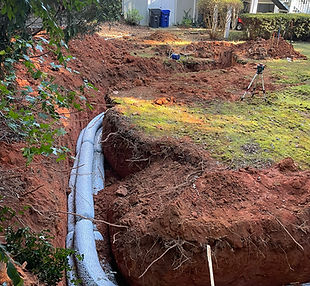
Heavy machinery digs a pit (typically 6–8 feet deep). The tank is lowered carefully onto a level base of sand or gravel to prevent cracking or shifting.
4. Drainfield Construction
Perforated pipes or plastic chambers are laid in trenches and covered with a layer of gravel or soil. Wastewater flows from the tank to the field and gradually filters through the soil.
5. System Connections and Backfill
Install inlet and outlet tees, distribution boxes, and risers for maintenance access. After inspection, the system is backfilled and graded.
6. Inspection and Activation
A local inspector reviews the final installation to ensure compliance. Once approved, your system is ready for use.
DIY Warning: Septic system installation is not a DIY project — improper placement or slope can cause contamination and costly failure. Always work with a licensed professional.
Septic System Maintenance and Lifespan
Proper maintenance is key to protecting your investment. Most systems last 20–40 years with regular care.
Maintenance Tips
-
Pump every 3–5 years to remove accumulated sludge.
-
Inspect annually for cracks, leaks, or filter issues.
-
Avoid flushing wipes, grease, or harsh chemicals.
-
Keep heavy vehicles and trees away from the drainfield to prevent damage.
A well-maintained septic system runs efficiently, prevents groundwater contamination, and saves you from premature replacement costs.
When to Repair or Replace a Septic System
Signs your system may need professional attention:
-
Slow drains or frequent backups.
-
Foul odors near drains or the yard.
-
Standing water or soggy soil above the drainfield.
-
Algae growth in nearby ponds or ditches.
If your system is over 25 years old, replacement may be more cost-effective than frequent repairs. Modern aerobic and mound systems are more efficient and environmentally friendly.
Financing and Cost-Saving Options
Replacing or installing a septic system is a significant investment, but several financing paths can help:
-
Home Improvement Loans – Fixed monthly payments for predictable budgeting.
-
Home Equity Loans / HELOCs – Use built-up home equity for lower rates.
-
Home Equity Investments (HEI) – Get cash without monthly payments or interest.
-
Local Rebates – Check with your county health or environmental departments for grants that support eco-friendly systems.
DIY vs Professional Septic System Installation
While technically possible, DIY septic installation is rarely advisable due to:
-
Strict permit and inspection requirements.
-
Need for engineering design and heavy equipment.
-
Risk of system failure and fines for noncompliance.
Benefits of Hiring a Licensed Professional
-
Expertise in soil testing and system design.
-
Access to the right equipment and materials.
-
Full permit handling and inspection scheduling.
-
Work backed by warranty and liability insurance.
Call Hart’s Septic Services at 470-473-8020 for a professional site evaluation and installation quote.
Local Septic System Installation Experts
Hart’s Septic Services provides trusted septic system installation, repair, and pumping services across Fayette, Coweta, Henry, and Spalding Counties — including Fayetteville, Peachtree City, Tyrone, Senoia, Newnan, and Griffin.
Why Homeowners Choose Us
-
Locally owned & family operated.
-
Licensed, insured, and certified septic professionals.
Over 70 5-star reviews from satisfied customers in your local communities.
FAQs About Septic System Installation
How long does installation take?
Most residential systems take 1–2 weeks, depending on weather and inspection schedules.
Can I install my own septic system?
Some states allow homeowners to install with permits, but most require licensed contractors for compliance and warranty purposes.
What’s the most expensive part?
Labor and drainfield construction make up the majority of cost.
How long does a system last?
Typically 25–40 years with regular pumping and care.
Does insurance cover septic installation?
Usually not — septic systems are considered part of home maintenance.

Ready to Install Your Septic System the Right Way?
Installing a septic system requires experience, precision, and compliance with local codes. Whether you’re building new or upgrading an old system, our team is here to help.
-
Free Site Assessment
-
Transparent Pricing
-
Fast, Reliable Installation
-
Long-Term Maintenance Plans
Your property deserves a clean, code-compliant, and long-lasting septic system installation — done right the first time.


TESTIMONIALS
What Our Customers Say...

Noel H.
Just got our septic system serviced by Hart’s Septic Services, and I’m very pleased. Chris was everything you want from a service provider. He communicated well, arrived on time, explained the process, things to watch out for, and ongoing preventative maintenance. He was very professional and just a really nice guy! I highly recommend Hart’s for all of your septic needs!

Kip S.
Hart’s Septic Service gave my family a prompt quote for septic service and delivered on every promise they made. Chris took the time to explain our system and how we can maintain and even improve it. If you have a septic system and you think you’re overdue for service, you probably are. Hart’s Septic Services helped keep our home safe and clean. Thanks Hart’s!!!

Kerstin K.
Upon the first week of moving into a rental the septic began to back flow whenever the toilet was flushed or an appliance was used. Chris came out first thing on a Sunday morning to assess the situation. What we believed would be a simple pumping turned into major root blockage and deterioration of the tank. Chris was extremely knowledgeable and knew exactly how to fix the problem. He also communicated directly with the rental agent and stayed well into the evening to ensure my family was able to move back in that same day! I highly recommend using Chris, he is honest and hardworking. He really cares about his customers, following up with a text inviting me to call if I had any problems or questions. Great guy!